Android logoGoogle Play Ads for iGaming Operators

Google App campaigns for casino and sportsbook apps in select regulated markets.

We combine Google Play compliance, App campaigns, custom store listings, deep links, and value-based measurement to scale installs that become depositors at better unit economics.

Dual compliance before scale: Google Play gambling approval and Google Ads gambling certification both need to be clean before Android acquisition deserves budget, because an app being live is not the same thing as being ready to promote safely at scale across approved markets, product scope, account setup, compliant claims, verified domains, and landing paths.

Signal management over faux keyword control: App campaigns are built around goals, bids, assets, store relevance, and conversion inputs across Google's eligible surfaces, not around pretending Android app growth works like a hand-keyworded search campaign where manual keyword tinkering beats signal quality, creative breadth, or post-install event design.

Store conversion work is part of media performance: custom store listings, experiments, Play conversion analysis, and deep-linked landing paths shape install quality before the backend deposit read even arrives, so the store presence cannot sit outside the acquisition system when country, product angle, payment trust, and search intent all affect install quality.

Value-led measurement beats CPI theatre: first open, registration, FTD, first deposit amount, weighted market value, and ROAS are what decide whether Android spend earns more room, not cheap installs that never become depositors or pay back media cost when install-to-registration speed, FTD yield, and deposit quality stay weak by market and source.

Play scale

2.5B+

Monthly users across 190+ global markets

Google Play reaches over 2.5 billion monthly users across 190+ markets, so Android acquisition belongs in operator channel mix.

Google-wide span

5

Core App campaign distribution surfaces

Google says App campaigns run across Search, Google Play, YouTube, Discover on Google Search, and the Display Network.

Budget rule

50x

Target CPI minimum daily budget guidance

Google recommends at least 50 times your target CPI for install-volume campaigns so learning does not starve before the model has enough signal.

Web-to-app

2.8x

Higher conversion rate on in-app landings

Web to App Connect says ad clicks landing in app average 2.8 times higher conversion rates than mobile web, which is why deep links deserve priority.

Platform-reported context and guidance, not iGaming-specific guarantees.

Android growth

Why Google Play Ads Matters for Casino & Sportsbook

Google Play matters because Android app acquisition is not just a store-shelf problem. It is a cross-Google system for install intent, demand capture, and post-install conversion quality in markets where mobile gambling revenue is commercially meaningful already.

Why this channel deserves attention

  • Google's App campaigns overview says App campaigns can promote apps across Search, Google Play, YouTube, Discover on Google Search, and the Google Display Network. That is why this page should sell Android acquisition as a cross-Google growth system, not as a cheap-install side project.
  • Google's How Google Play Works page says Google Play reaches more than 2.5 billion monthly users across 190+ markets. That makes Google Play one of the biggest app-discovery surfaces any regulated operator can realistically work with on Android.
  • The EGBA's 2024 market snapshot puts Europe's gambling market at EUR 123.4B, with online accounting for 39% of revenue and mobile generating 58% of online revenue. That is exactly the mix that makes Play conversion work commercially important.
  • The U.K.'s annual industry statistics say remote casino, betting, and bingo gross gambling yield reached GBP 7.8B from April 2024 to March 2025. Android acquisition matters when regulated demand pools can reward cleaner install quality.
  • The American Gaming Association's commercial gaming revenue tracker keeps the same U.S. story visible: sports betting and iGaming are already operating at national scale, so Android spend should be judged on post-install value and margin discipline by cohort and market, not on CPI vanity alone.

What Google Play Ads is actually useful for operators

Cross-Google app demand capture

This is not just a store search play. Google App campaigns can catch intent and discovery across Search, Play, YouTube, Discover, and Display when the signal design is good enough to earn efficient volume without CPI drift.

Approved-market Android rollout

If the app, licensing scope, and product-market fit are approved cleanly, App campaigns give operators a practical Android launch layer without pretending every market or product combination behaves the same.

Store-listing relevance by angle

Casino, sportsbook, offer-led, feature-led, and market-specific payment or trust cues can all live inside Play listing work instead of one default listing doing every job badly.

Install quality before budget scale

The real read is not installs alone. It is whether Android cohorts become registrations, FTDs, deposits, and ROAS by market, product angle, and traffic source.

GOOGLE PLAYMarket context

Android app acquisition is bigger than store browse

The page should never read like a mobile install vending machine. The commercial angle is policy-safe Android growth tied to real market demand, Play conversion work, and downstream value by cohort and source.

Market signals that justify the channel

39%

Europe gambling revenue online

That is why app acquisition deserves first-class thinking, not legacy media logic built for web paths and mixed attribution models.

58%

Online revenue mobile-led

When mobile holds the majority of web value, Android store conversion work becomes acquisition work, not just merchandising decoration.

£7.8B

Great Britain gambling revenue

The demand base is big enough that cleaner Android installs, faster registration, and deposit quality can compound profitably.

$16.96B

U.S. sports betting revenue 2025

Sports-led operator demand at this scale is exactly where Android growth needs policy control and value-based bidding discipline, not install inflation.

$10.74B

U.S. iGaming revenue in 2025

That kind of commercial backdrop makes post-install cohort quality far more useful than bargain-CPI storytelling in ops plans.

5

Google surfaces in one model

Search, Play, YouTube, Discover, and Display can all contribute to one Android acquisition system when the conversion signals are good enough.

Android and iOS should reinforce each other, not be merged lazily

The clean comparison is not Android versus app acquisition as a whole. It is Android versus iOS with different platform mechanics. That is why App Store Ads needs its own logic while Google Play is sold as an App campaigns and Play-conversion execution problem.

Being live in Play is not the same as being findable in Play

Google Play's enforcement process makes the discoverability point explicit. Limited visibility can leave an app accessible by direct link, while limited regions can stop users outside approved markets from finding it in the store at all without any media-quality issue causing the bottleneck.

Content ratings affect growth reach, not just compliance hygiene

Google Play's content ratings guidance says ratings can filter or block content in certain territories or for specific users, and can also affect eligibility for special developer programs. That makes rating accuracy part of Android expansion logic before market rollout assumptions get too aggressive too early.

Brand proof

Operators We've Supported

Recognizable operator brands matter because regulated Android acquisition is easier to claim than prove. The work below reflects operator exposure, not generic app-campaign positioning.
Betinia logo
Bethard logo
Campobet logo
Cherry Casino logo
Casinostugan logo
ComeOn logo
QuickCasino logo
Lyllo Casino logo
DON logo
RTBet logo
Hajper logo
Spelklubben logo
Snabbare logo
Winlandia logo
Yoyo Casino logo
Betinia logo
Bethard logo
Campobet logo
Cherry Casino logo
Casinostugan logo
ComeOn logo
QuickCasino logo
Lyllo Casino logo
DON logo
RTBet logo
Hajper logo
Spelklubben logo
Snabbare logo
Winlandia logo
Yoyo Casino logo
Google Partner logo

PPCJuice is a Premier Partner

We proudly hold Google Premier Partner status, which supports our work across the Google Ads ecosystem beyond web-only search execution. That matters when Android app acquisition depends on App campaigns, Play conversion work, and serious measurement discipline.

Google has assessed our skills, performance, and growth. For operators, that matters because Google Play Ads sits inside a Google Ads system where policy health, account quality, and execution standards compound.

Approval scope

Google Play Starts With Approval Scope, Not Setup

Real-money gambling on Android is a two-gate problem. Gate one is Google Play distribution approval for a specific market and product scope. Gate two is Google Ads gambling certification and compliance. If either gate is weak, there is no serious Android scale story.

What the platform makes explicit before scale starts

  • Google Play's real-money gambling policy says gambling apps are only allowed in select countries if the developer completes the application process, is a licensed or approved operator, provides a licence for the product and market, prevents underage use, geo-restricts unsupported locations, and shows responsible gambling information.
  • Google Play's country and region allowances make the market-scope point obvious. France, Germany, Spain, Sweden, the Netherlands, and other regulated markets do not share one flat product allowance, which is why launch scope has to be mapped by market and licence, not guessed from one broad policy sentence.
  • Google's gambling and games ads policy says advertisers must only target approved countries, show responsible gambling information on the landing page, and never target minors. That is the second gate after Play distribution approval, not a footnote.
  • Google's restricted targeting rules classify gambling as a sensitive interest category, which means advertiser-curated audiences are not supported while predefined Google audiences remain available. That policy ceiling matters more than a long targeting feature list.

Operational checks before Android spend deserves room

Licence scope

The product mix has to match the licence, not just the app listing

Sportsbook, casino, bingo, lottery, and DFS permissions can vary by market. Campaign and store copy should only sell what the licence and market support.

Age gating

Underage prevention and adult-only framing are part of eligibility

If the app, listing, ads, and sign-up path do not stay clearly adult-only, the acquisition layer is weak before bidding even begins in-market at scale.

Geo control

Legal markets must be enforced in distribution and in ads

Google Play distribution settings, geo-restriction logic, and campaign targeting need to match so unsupported territories are not treated as expandable reach.

Responsible play

Listing truth and responsible gambling information are not optional

That includes what the store listing says, what the ad promises, and what the destination experience proves after install for real users in practice.

GOOGLE PLAYCompliance

Approval scope is the admission ticket to serious Android scale

Weak compliance does not create a bidding problem. It creates a launch problem. That is why Google Play distribution rules and Google Ads gambling rules have to be read together before automation gets any credit for growth.

Policy updates belong in the operating loop, not in legal limbo

If market or certification rules move, the account structure has to move with them. That is why our Policy Updates coverage matters and why work like this Google Ads gambling-policy breakdown belongs in weekly operator review and budget planning, not buried in a compliance inbox.

Founder-led oversight matters when approval scope drifts by market

Market-specific licensing, product eligibility, and campaign truth are easier to overclaim than to operationalize. That is why the founder-led model behind PPCJuice matters more here than generic media coordination.

Review-ready packaging matters as much as the licence itself

Google Play's common violations for gambling apps show that bad application-form details, missing AO or IARC-equivalent ratings, test-track submissions, and non-functioning builds can all stall approval before media quality even gets judged for a live market launch at all.

The certification form itself defines where launch scope stops

Google Ads' gambling application flow makes the country boundary explicit: if a market is not listed in the application path, online gambling-related promotion is not allowed there. That makes approved-country scope a launch rule, not an expansion opinion or forecasting shortcut.

Promotion policy still applies when outside traffic does the selling

Google Play's app promotion guidance makes clear that deceptive claims and non-compliant promotion can still create policy problems when traffic comes from ad networks, affiliates, or review channels rather than the store listing itself or owned media paths during Play review.

Package ownership is becoming part of launch-readiness hygiene

Google Play's package-name registration rules say some Android package names now require developer verification, and existing apps can require proof of signing-key ownership. That turns account identity and package control into approval-scope issues, not just admin chores.

Android Growth, Not Cheap Installs.

The right Google Play Ads program combines App campaigns, cleaner store messaging, custom store listings, deep links, and a stronger post-install value model strong enough to judge registrations, FTDs, deposits, and ROAS honestly by GEOs, source mix, buyer quality, and payback speed.

Book a Strategy CallStronger installs. Better cohorts. Clearer value.

App campaigns

Signal Management Beats Install-Count Theater

Google App campaigns should never be sold like Apple keyword management for Android. The system is goal-driven, bid-driven, and asset-driven across Google's inventory, which means conversion design and value mapping matter more than fake micro-control stories.

App campaigns are a goal, bid, and asset system

Google's App campaign best-practices guide says App campaigns analyze hundreds of millions of signal combinations and test creative and channel combinations to serve the best-performing ads. That is why signal quality matters more than pretending keyword micromanagement is the growth lever on Android alone at scale.

Install volume is the starting point, not the commercial end-state

The first job is to give the model scale to find viable Android demand without flooding the account with low-quality installs. That usually means install-volume campaigns first, then install-quality filters once the signal is trustworthy enough to pay more for better users.

Users likely to perform an in-app action is a quality bridge

This is often where generic app agencies fall apart. Paying more for users likely to perform a meaningful action is not inefficiency if the downstream registration and deposit read gets materially stronger by cohort.

In-app actions and value bidding need event discipline

Once the account can reliably feed registration, FTD, deposit, or high-quality proxy events back into the system, the job changes from install expansion to value expansion. That shift should happen as fast as the data allows, but not before.

Pre-registration exists for Android launches, not for every account

Google's App campaign type guide makes the ladder explicit: installs, engagement, and pre-registration. That matters when an operator has an Android launch or relaunch path worth staging before the app is installable in market.

What gets judged every week

Install volume versus users likely to perform an in-app action by market
Registration, FTD, deposit, and ROAS by Android conversion cohort
Store-listing conversion by traffic source, search term, install state, listing variant, market, and user state
Asset, network, and deep-link performance across Search, Play, YouTube, and Display
Product-angle split between sportsbook, casino, and market-specific variants
Bid stability, budget sufficiency, and event lag before scaling decisions

APP CAMPAIGNSBidding + signals

Install volume first. Deposit value as fast as the data quality allows.

Google gives a clean ladder: broad installs, better-quality installs, in-app actions, value, then engagement or pre-registration when the account is actually eligible for them. The job is not to rush the ladder. It is to move up it as soon as the signal is honest enough to support value bidding.

The numbers Google gives you

50x

Target CPI minimum daily budget guidance

Google recommends 50 times target CPI for install-volume campaigns so learning can gather signal before the budget chokes.

+20%

Higher tCPI for better-quality installs

Google recommends bids at least 20% above baseline tCPI when optimizing for users likely to perform an in-app action.

10/day

Minimum event frequency for actions

Google recommends choosing an in-app action completed by at least 10 distinct users per day with stable event quality.

10x

Target CPA minimum daily budget guidance

For in-app-action campaigns, Google recommends budget 10 times target CPA so the model can learn from enough events.

Audience signals help, but policy still decides the ceiling

Google's audience signals documentation says App install campaigns support tCPI, tCPA, Maximize Conversions, Maximize Conversion Value, and tROAS. That is useful, but it does not erase the sensitive-interest restrictions already sitting above the audience menu in practice.

Target ROAS should start from real history, not baseline optimism

Google's tROAS guidance for App campaigns says achieved ROAS on a comparable campaign should be the recommended starting point for an initial tROAS. That is exactly why backend value imports matter more than CPI theatre.

Engagement campaigns are real. Blanket re-engagement promises are not.

Google's engagement-campaign setup guide requires 50,000 installs, deep links, app-user audience lists, conversion tracking, and privacy-policy alignment. That makes re-engagement conditional work, not default sales copy for every gambling app before policy validation and setup.

See Better Google Play Ads Execution

Book a complimentary strategy call and see where stronger Google Play Ads execution could improve install quality, sharpen store conversion, tighten deep-link relevance, protect margin, cut wasted spend, and make support scope clear for your Android setup across GEOs, product angles, and buyer-quality goals.

Work With Our PPC TeamCustom pricing based on your scope.

GOOGLE PLAYStore conversion

Deep linking turns app installs into better user journeys faster

If web demand, ad copy, Play assets, and in-app destinations do not line up, the user is forced into a generic path and conversion quality suffers. Android growth gets cleaner when the path feels deliberately mapped from click to deposit.

50

Custom store listing ceiling in Play Console

That is enough room for country, product, bonus, trust, and event-led Android variants without one default listing doing every job.

Ad group

Play targeting can match campaign context

Google Play supports custom listings tied to Google Ads context, which is why store assets should mirror the traffic source.

2.8x

Average app-vs-web conversion rate lift

That is the commercial reason web-to-app and in-app landings deserve more attention than mobile-web continuation alone.

24h

Deferred deep-link context window

If the install and open happen inside that window, users can land inside the relevant app destination instead of defaulting to a generic screen.
Search intent still helps decide which listing angle should win

The same commercial logic behind Google Ads for Casinos and the high-intent keyword blueprint still matters here. Android installs work better when the Play listing reflects the ask that made the click worth paying for.

Sportsbook and casino should not share one Android story by default

Event-led acquisition and product-angle relevance improve when sportsbook and casino landing paths diverge. The sportsbook acquisition and live-odds search principle applies to Play variants and deep-linked flows.
Google Ads promotional credit visual

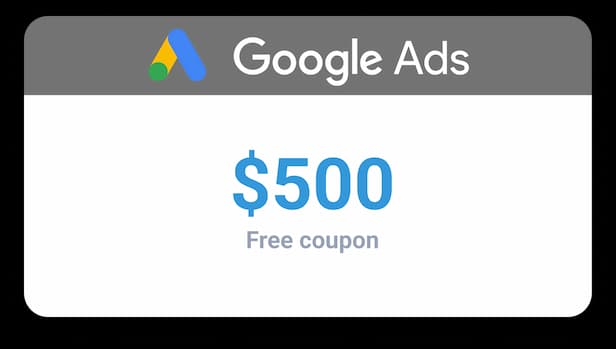
Launch with PPCJuice: Up to $500 in Google Ads Credit

Through Google's Partners offers, eligible new advertiser accounts launched with PPCJuice may qualify for up to $500 in ad credit, or local-currency equivalent, after the spend threshold. That can help fund Search testing while tracking, landing paths, and first conversion signals are validated.

Google says Partners promotions are applied automatically only on qualifying new advertisers, aren't available in every billing country, and can take up to 35 days after the spend threshold is met to appear as credit. See Google's promotional offer guidance.

Measurement moat

If You Only Track Installs, You're Blind

Google gives you enough measurement depth that Android app growth does not have to be read as one blended install number. The serious operator read is conversion source, install state, market value, network contribution, and lag to registration, FTD, and deposit.

90d

Recommended in-app purchase window

Google recommends a 90-day window for in-app purchases so campaign reporting can better approximate long-term value across slower-paying cohorts.

1d

Default view-to-install window in VTC

That is a useful reminder that Android app value often needs both short-lag and longer-lag measurement views at the same time before bids move prematurely.

3

Primary app conversion data sources

Firebase, Google Play, and supported third-party app analytics all matter because no single source gives the full cohort-level commercial readout alone.

New / Returning

Install state split inside Play Console

Returning-user economics and new-user economics should never be blended if reacquisition behaves differently by market or product within the same app portfolio.

What the measurement layer has to prove

Click-through versus view-through installs before source credit gets inflated
Conversion-window fit across open, registration, FTD, deposit, and payback
Firebase, Google Play, and third-party analytics alignment when totals disagree
New versus returning-user value split before reacquisition math gets blended
Play listing, deep-link path, and market contribution without one blended read
Deposit-value maturity by cohort before ROAS targets and scaling rules move

Google Play conversion data is useful, but not complete by itself

Google's Google Play conversion-tracking guide says Play measures downloads and in-app purchases only, while first opens and richer in-app actions need Firebase, third-party analytics, or code-level event setup. That is exactly why Android install reporting should not stop at the store download line for weekly decisions.

View-through optimisation is real, and it is Android-specific

Google's view-through conversion bidding documentation says VTC optimisation integrates view-through conversion signals from AdMob and YouTube into App campaign models and is currently only available for campaigns promoting Android apps. That matters when upper-funnel discovery still influences downstream app value.

Asset reporting should shape weekly creative decisions

Text, images, videos, store assets, network splits, and top-performing combinations should all be reviewed in the same weekly loop. Creative variety feeds the model, but only if weak asset clusters are removed fast enough to keep relevance high across networks.

Commercial measurement needs website and app logic to meet

Android acquisition becomes more useful when Play Console, Google Ads, backend events, and the reporting layer are reconciled. That is why the measurement section should connect to Google Analytics 4 setup work, not pretend installs can be judged in isolation.

STACKAudience + system

Android acquisition has to prove itself inside the wider PPC stack

Google Play growth should not be judged as a silo. Search, video, display, app-store mechanics, and backend value all help decide whether Android installs are actually worth scaling.

Branded and commercial web demand still affects Android value

Google Play acquisition should be read beside Google Ads because branded and commercial search often shapes whether the app install arrives warm, cold, or pre-qualified by web intent before first deposit behaviour shows.

Video can create the intent that App campaigns later harvest

There are cases where Android demand is not harvested, it is created. That is why YouTube Ads belongs in the commercial read when video-led demand creation shows up as app installs, branded searches, and assisted deposit value.

View-through and discovery inventory still need an honest read

Android growth does not happen on Search alone. Display Ads matter for discovery, assisted conversion, and Android-only view-through signals, especially when AdMob and YouTube impressions are helping seed later app value.

GA4 linking should change the ad account, not just the dashboard

Google's GA4 product linking guidance says linking GA4 and Google Ads lets operators create conversions from GA4 key events, add Analytics data to Google Ads reports, create and edit audiences, and measure web or app key events. That is one reason Android growth should sit inside one paid-acquisition reporting system instead of separate web and app reads.

Firebase events should feed bidding, not just reporting

Google's Using Firebase and Google Ads together guide says accounts can import Firebase conversions without code, choose which events become Google Ads conversion actions, and use Firebase audiences for remarketing. That matters when registration, deposit, or proxy-value events are supposed to move bids and audience logic in-platform fast enough, not just fill a reporting chart.

Linked Play accounts create Android-native audience leverage

Google's Play and Google Ads linking guide says linking the Play account generates remarketing lists for app users and can track in-app billing purchases without extra code. That is useful when Android measurement needs to separate existing users from net-new acquisition inside the same stack by value.

Attribution should spread credit across surfaces before budget does

Google's data-driven attribution documentation says DDA looks across Search, YouTube, Display, Demand Gen, and Google Analytics conversions, then redistributes credit across the path instead of handing it to last interaction. That is a stronger read when branded search or app installs are the end of paid journeys.
Android-only

VTC optimized bidding scope

That makes Android app campaigns notably different from iOS paid acquisition when view-through optimization starts carrying real weight.

Search + App

Commercial handoff to monitor

Operators should read web intent and app conversion paths together rather than letting a channel claim all the downstream value alone.

Value first

Scale trigger that actually matters

Budget should move when registrations, FTDs, deposits, and ROAS clear the bar routinely, not when CPI happens to look cosmetically cheap.

Testimonials

Trusted by iGaming Operators

ComeOn Group logo

Working with Alex felt like having a performance partner who owned results. He brought structure and momentum to PPC optimisation and reporting across multiple brands and significant monthly spend - always focused on what moved CPA/ROAS.

Eda Acar

Head of Digital Marketing, ComeOn Group

Medier Agency logo

Alex was a reliable PPC partner for us across Betinia, YoYo Casino, CampoBet, and QuickCasino. He helped launch new brands and PPC strategies, kept optimisation moving with clear weekly performance updates, and was always easy to work with.

Yasmine Grillo Fisher

Director of Media, Medier Agency

Winlandia logo

Alex was a steady, commercial PPC partner for Winlandia. He brought clarity to our priorities, improved performance through smart testing, and kept reporting and next steps simple and actionable. Great pace, strong ownership, and easy to work with.

Christoffer Grönlund

Head of Affiliates, Winlandia

If you're looking for support beyond Google Ads, we'd gladly point you toward Eda, Yasmine, and Christoffer. Eda now runs her own digital consultancy focused on SEO, social media, and programmatic advertising. Yasmine is now at Medier Agency bringing steady media leadership there, and Christoffer advises iGaming brands on affiliate growth, market expansion, and performance strategy.

Pricing

Custom Pricing for Your Setup

Book a complimentary strategy call and get a clear view of how your PPC is performing, where the best opportunities sit, and what the right scope looks like for your setup.

PPC Audit
Customquote

Quoted after account depth, brand count, and channel coverage.

  • Full-account deep dive
  • Structure review
  • Targeting review
  • Tracking review
  • Prioritised action plan

Audit fee can be credited toward ongoing management within 30 days.

Audit termsWhat's included

PPC Management
Customquote

Quoted after brands, markets, channels, and execution scope.

  • Google Ads
  • Bing Ads
  • Meta Ads
  • YouTube Ads
  • Display Ads
  • App Store Ads
  • Google Play Ads
  • Measurement (GA4)

Work with a senior PPC team with 10+ years of iGaming experience.

Account termsCancellation terms

Download Service Order Form (PDF)

Use this to share internally/procurement.

FAQ

Google Play Ads Questions Operators Actually Ask

Straight answers on Play approval, market scope, App campaigns, audience limits, deep links, store listings, and value-led Android measurement. If your setup is specific, talk to PPCJuice.
Can real-money gambling apps advertise through Google Play Ads?

Yes, but only if the operator clears both gates: Google Play gambling-app approval in a market and Google Ads gambling certification for the markets and products promoted.

Is Google Play Ads just Google App campaigns?

Functionally, yes. The acquisition layer is App campaigns, but the page should also sell the Play Console and store-listing work that shapes Android conversion quality after click.

Do you manage Google Play growth like Apple Search Ads keywords?

No. Google App campaigns are signal-driven and cross-network. The real levers are goals, bidding, assets, custom store listings, deep links, and value measurement in-market, not faux keyword micromanagement.

What has to be true before Android app scale is safe?

The operator needs valid market-specific licensing, Google Play gambling approval, Google Ads certification, responsible gambling information, age controls, geo-restriction, and store messaging that stays inside the legal product scope.

Can gambling operators use remarketing and app engagement freely?

No. Engagement campaigns exist, but require install volume, deep links, audience lists, conversion tracking, and privacy-policy alignment. Gambling is a sensitive-interest category, so audience promises should be treated cautiously.

Why do custom store listings matter on Android?

Because Google Play can target listings by country, keyword, user state, and Google Ads context. That means sportsbook, casino, bonus-led, and market-specific Android journeys can land on relevant store experiences instead of one blended listing.

How do you measure beyond installs on Play?

By combining Play Console store data, Google Ads conversions, Firebase or third-party app analytics, and backend registration, FTD, deposit, and ROAS reads. If installs are the only KPI, the commercial read is incomplete.

How does Google Play fit with the wider PPC stack?

Android app acquisition should be judged beside branded web search, YouTube demand creation, Display view-throughs, iOS app acquisition, and backend value measurement. The right read is system-wide paid acquisition, not Android in a silo.

Ready to Claim Your Market Share? 🥇

You are not hiring a generic app agency. You are getting a senior iGaming PPC team that treats Google Play Ads like a regulated Android acquisition channel, with cleaner signals, stronger listing relevance, and weekly decisions tied to installs, registrations, FTDs, deposits, and ROAS.

Book a Strategy CallQuoted after brands, markets, channels, scope.