
Market scale
€123.4B
Europe regulated gambling gross gaming revenue in 2024
Up 5% year over year across Europe's regulated gambling markets collectively.
 Google Ads for iGaming Operators
Search-first Google Ads execution for casino and sportsbook brands.
We manage certification pressure, query quality, Smart Bidding, AI Max, Performance Max, and measurement tied to FTDs, deposits, and ROAS — not low-value conversions.
Search campaign control: query maps, negatives, brand separation, market-specific landing paths, and weekly search-term review come first so expansion is built on proven intent, cleaner bidding signals, and stronger query hygiene, not low-quality traffic.
AI Max with guardrails: we test Search automation only when conversion data, brand settings, landing paths, URL rules, and GEO controls are already clean then judge lift slowly enough to avoid scaling bad signals into weaker, less qualified queries.
Performance Max as an expansion layer: we use it after Search structure, measurement, exclusions, and brand rules settle, with market-aligned asset groups and landing paths.
Value-led measurement: Smart Bidding learns from FTDs, deposit value, GEO weighting, first-party signals, and offline value rules not shallow signup counts or registrations.
Market scale
€123.4B
Europe regulated gambling gross gaming revenue in 2024
Up 5% year over year across Europe's regulated gambling markets collectively.
Growth snapshot
£7.8B
Great Britain remote casino, betting and bingo GGY
April 2024 to March 2025, up 13.1% as remote gambling demand kept accelerating.
Revenue trend
$16.96B
U.S. commercial sports betting gross gaming revenue in 2025
Up 22.8%, with online channels contributing 96.5% of total U.S. sports betting revenue.
Market context
$10.74B
U.S. commercial iGaming revenue in 2025
Up 27.6%, with online gaming reaching 34.5% of U.S. commercial gaming revenue.
Selected market snapshots. Useful context, not a guarantee of account performance.
Constraint
Google Ads for iGaming is restricted, GEO-dependent, certification-heavy, and commercially unforgiving. Scaling is not about buying more traffic. It is about staying eligible while you scale.
What Google enforces in practice
What that means for account structure
What PPCJuice checks before scale
What has to stay true after launch
Effective March 23, 2026, Google's gambling certification update raises scrutiny around policy health, MCC history, and domain ownership.
That is why account hygiene, domain control, and licensing proof are constraints, not admin work, and why PPCJuice uses Partner support before risk compounds into policy suspension. Google's gambling and games policy and certification guidance make that explicit.
We do not use compliance as wallpaper. We track Google Ads rule changes through Policy Updates, but we build the account around the rules so query control, bidding, and landing-page expansion do not knock the account out of policy health or eligibility while you are trying to grow.
United Kingdom
Operators of online bingo, sports betting, online casino games, and lotteries must be registered with the Gambling Commission and hold a valid operating licence number.
The UK is one of the clearest examples of multi-product compliance pressure. Google permits online bingo, sports betting, online casino games, and lotteries here, so licence scope, safer gambling messaging, and destination control need to stay aligned across every live product path.
Republic of Ireland
Operators of online bingo, sports betting, online casino games, and lotteries must be registered as bookmakers with the Revenue Commissioners and hold a valid active licence number before advertising through Google Ads.
Ireland matters because Google permits a broad online gambling set here. For acquisition teams, that makes Revenue Commissioners registration, valid licence status, and clean English-language destination control real launch gating items, not back-office admin.
Netherlands
Operators must be licensed by the Dutch Gambling Authority (de Kansspelautoriteit) before Google Ads can run online gambling, casino, bingo, sportsbook, lottery, or DFS campaigns in the market.
The Netherlands is a good example of scope discipline. Google allows lotteries, online gambling, online bingo, online casino games, sports betting, and DFS here, so campaign structure has to match the actual licensed local product mix and targeting rather than a generic GEO launch plan.
France
Operators must hold ANJ approval, keep a valid current licence number, run on a .fr domain, and publish the required warning and help messaging on the landing page and relevant image ads.
France makes destination-level compliance explicit. Google only allows the approved product set here, and the right .fr domain, licence information, and mandatory warning/help wording all have to be visibly present on-page before bid strategy or creative testing can matter.
Spain
Operators promoting casino games, bets, raffles, contests, lotteries, or bingo must be registered with the Spanish gambling authority before legally targeting Spain through Google Ads.
Spain is useful for showing why account structure must follow approval scope. Google permits casino games, bets, raffles, contests, lotteries, and bingo here, so product coverage, landing paths, and market targeting need to move together or the account picks up avoidable policy risk.
Sweden
Operators must be licensed by Spelinspektionen to advertise lotteries, online gambling, bingo, sports betting, online casino games, and related lottery products in Sweden.
Sweden reinforces the same operating rule: regulated search is GEO-dependent, and the permitted product set is still tied to active Spelinspektionen licensing. Certification, exclusions, and market-specific landing paths need to be handled before scale decisions, not after them.
Germany
Operators or brokers must hold a valid German gambling licence that explicitly permits online advertising via Google Ads, and non-operator advertisers must be authorized by the licence holder.
Germany is operationally heavier than most markets. Google allows sports betting, horse betting, lotteries, virtual slot-machine games, online casinos, and online poker here, but agencies need written authorization from the licence holder and the destination has to carry a legally compliant imprint.
Brand proof
Recognizable brands matter because regulated Google Ads execution is easier to claim than prove. The work below is grounded in live operator experience across operator accounts.













Google Trends
Google Trends will not tell you CPA, but it does show when generic search demand is rising, flattening, or peaking before competition prices it in. Use one GEO selector to compare casino and betting interest in the same market view.
Casino signal
Demand line for casino in United States.
Interest over time
United States. Past 12 months. Web Search.
Casino demand tends to show broader brand and generic intent swings first, which makes it useful for spotting seasonality before auction pressure fully catches up.
Sportsbook signal
Demand line for betting in United States.
Interest over time
United States. Past 12 months. Web Search.
Betting demand is useful for reading event-driven spikes, weekly volatility, and when sportsbook interest starts diverging from broader gambling search demand.
Google Trends is directional, not commercial reporting. We use it for demand timing, market context, and query planning, not for profitability claims.
Search-first
Search is where intent is clearest because you can inspect the real queries driving spend, separate research traffic from deposit intent, and expand only when the commercial pattern repeats. That discipline sits behind our high-intent casino keyword blueprint and live odds PPC strategy because both start at the query layer before automation is trusted.
Generic demand, product-fit demand, urgent commercial demand, brand demand, and GEO-specific demand do not behave the same way. We separate them before budget moves because each tier carries different deposit probability, promo sensitivity, and compliance risk.
best online casino / sports betting sites
Broad demand used to map market vocabulary, theme size, and whether the account is pulling research traffic or serious operator shopping intent.
casino bonus / bet builder app
Closer to product fit, where offer-message alignment, product pathway, and landing-page specificity start to separate good traffic from vague curiosity.
instant withdrawal casino / bet on live football now
The sharpest bottom-funnel signal when payment flow, withdrawal trust, eligibility, and landing-path relevance are strong enough to convert intent into deposits.
own-brand / competitor-brand / promo modifiers
Where leakage, promo-term separation, competitor swimlanes, and brand protection have to be explicit before Smart Bidding starts reading the wrong lessons.
local language queries / licensing terms / market-specific expectations
Shows whether the account can scale in the right market, with the right language, expectations, and compliance cues, instead of finding traffic anywhere.
GOOGLESearch Data
Search wins early because it is observable. Google exposes the query, category, and auction signals needed to tell whether qualified player demand in approved GEOs is actually being captured, lost to rank, or crowded by competitors before more budget is pushed.
Once query quality is good, the next question is whether the account is missing demand because of budget, rank, or auction pressure. These are the Google signals we use to make that call before more spend is pushed.
RSA strength lift
Logo and name lift
Image assets
Google-reported averages in this box are directional and not iGaming-specific guarantees.
PPCJuice has 10+ years on live casino and sportsbook accounts. On the right operator setups, we often deliver around 400% ROAS by building Google Ads around deposit intent, cleaner traffic, stronger bidding signals, and value-led scale instead of low-value conversions.
Traffic quality
Negatives still matter, but mature control is not just about blocking. It is about protecting intent lanes: generic vs promo vs competitor vs brand, keeping market-ineligible traffic out, and forcing landing paths to match the query before Smart Bidding learns the wrong lesson.
Every weekly review ends with a decision: add a keyword, add a negative, tighten a landing path, or leave the theme alone. The point is not to collect queries. It is to decide which searches deserve more budget and which ones should never teach the bidding model.
Account-level negatives catch universal waste. Campaign and ad-group negatives keep generic, promo, competitor, and GEO-specific intent from leaking into the wrong budget bucket where CPA, FTD rate, and value mean something different.
Brand traffic sits in its own lane because it converts on different economics. Competitor terms and promo modifiers stay separated so Smart Bidding does not mistake navigational demand or bonus hunting for scalable acquisition.
The query, ad, and landing path have to agree on product, market, registration flow, payment promise, and responsible-gambling cues. If the click lands on a page that is eligible but wrong, traffic quality still collapses.
Good control is not maximal blocking. It is choosing the right intervention for the actual failure mode in play before CPA and signal quality deteriorate further.
GOOGLEControls
Google exposes specific controls for negatives, brand scope, URL scope, and query diagnostics. The job is to use the right control for the right failure mode instead of over-blocking the account and starving good intent.
Account negatives
Google's cap for the single account-level negative list.
CTR warning
Google says this means the keywords should be improved.
Quality Score range
Diagnostic only, built from three core ad quality signals.
Google's numeric thresholds here are diagnostics and platform limits, not bidding goals.

We proudly hold the Premier Partner status, a distinction achieved only by top-tier agencies. Our accreditation serves as evidence of excellence in PPC management since 2019.
Google has assessed our skills, account performance, and growth, recognizing us as one of the top agencies handpicked for paid ads management.
Controlled automation
Automation earns the right to spend only after Search hygiene, value mapping, and landing-path control are stable. In regulated accounts, Google AI scales signal quality, not excuses.
The fastest way to make automation look clever is to let it hide weak structure. The useful version is slower: Search proves intent first, measurement proves value second, and only then do we let Google expand what is already economically true.
We treat AI Max as a controlled expansion layer, not a shortcut. Google's launch data says advertisers typically see 14% more conversions or conversion value at similar CPA or ROAS, and campaigns still leaning mostly on exact and phrase keywords can see typical uplift of 27%.
In operator accounts, that upside only matters when brand, promo, GEO, and landing-path controls are already clean. If the query map is mixed or the page universe is loose, AI Max simply scales the wrong lesson faster.
Target CPA, Maximise Conversions, Target ROAS, and Maximise Conversion Value are only wrappers around the signal model. If the account optimises to noisy registrations, thin GEOs, or bonus-seeking traffic, the bid strategy simply gets faster at buying the wrong player.
Google's Target ROAS guidance says most campaign types need at least 15 conversions in the past 30 days, and when new values are introduced it recommends feeding them for 4 weeks or 3 conversion cycles before switching or judging performance. That is why we stabilise the measurement model first, then let bidding learn.
We use portfolio bidding only where campaigns genuinely share the same economics. One portfolio does not fix mixed intent lanes or a broken value model.
Status before judgment
Cycles before judgment
Seasonality window
GOOGLEAutomation
Google has added enough visibility and control that AI Max and Performance Max can be tested deliberately instead of treated as blind black boxes. The job is to use that visibility before scale compounds the wrong signal.
Typical AI Max lift
Google says AI Max usually drives 14% more conversions or conversion value at similar CPA or ROAS.
Exact/phrase upside
For campaigns relying on exact and phrase keywords, Google says incremental uplift can reach 27%.
Target ROAS floor
Google says most campaign types need 15 conversions in the past 30 days before Target ROAS is viable.
These controls matter because they let us separate query expansion, message expansion, and destination expansion instead of judging AI Max from one blended performance line.
AI Max can reach net-new queries from the intent already present in your keywords, ads, and URLs. If generic, promo, and brand lanes are mixed, expansion just spreads that confusion faster.
Google can generate customized headlines and descriptions from your site and existing assets. That only helps when legal wording, offer language, and market-specific claims are already disciplined.
Useful only when the pages AI Max can choose from are commercially right. Bonus hubs, blog posts, or market-ineligible pages should never become the default destination for deposit-intent traffic.
The useful part is the newer brand, location, URL, and reporting controls. They make AI Max testable without pretending the campaign is uncontrollable or budgets should expand blindly.
Google describes Performance Max as a complement to keyword-based Search, not a replacement for it. Exact-match Search still wins priority when the query is identical, which is why Search structure has to teach the account what qualified intent looks like first.
What has improved is visibility. Google's channel performance report and newer campaign controls make Performance Max easier to diagnose before it drifts into the wrong markets, pages, or asset combinations.
For operator accounts, Performance Max can absorb branded, promo, generic, and remarketing demand in the same campaign. Better visibility lets us judge whether scale is truly incremental or demand Search should already own.
Google-reported averages in this box are directional benchmarks, not iGaming-specific guarantees.
Book a complimentary strategy call and see where PPC execution could improve performance, tighten control, protect margin, speed up decision-making, cut wasted spend, and make the right support scope clear for your setup across brands, channels, and markets.
Execution
Ad systems work when the query, ad copy, assets, and landing page tell the same commercial story. In regulated Search, that story also has to survive GEO, licensing, safer-gambling, and payment-trust constraints.
Execution is where good intent either survives into a qualified registration path or gets wasted after the click. We treat messaging, assets, and landing paths as one system because Ad Rank and conversion rate usually break for the same reason: mismatch.
GOOGLEAd Quality
Google does not reward creative volume for its own sake. Better Search execution improves asset eligibility, ad quality, and landing-page fit, which is why the auction and the post-click experience have to be treated as one system.
RSA per ad group
RSA + sitelink lift
Sitelink count
Google-reported execution benchmarks here are directional and not iGaming-specific guarantees.
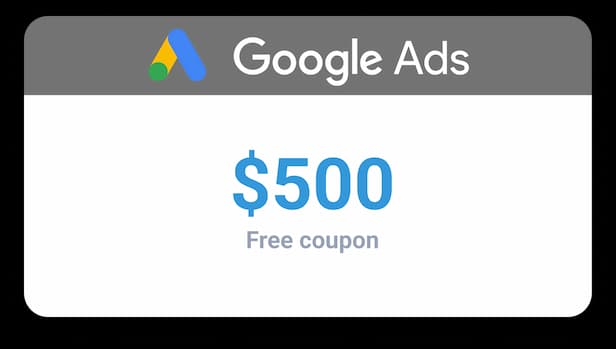
Through Google's Partners offers, eligible new advertiser accounts launched with PPCJuice may qualify for up to $500 in ad credit, or local-currency equivalent, after the spend threshold. That can help fund Search testing while tracking, landing paths, and first conversion signals are validated.
Google says Partners promotions are applied automatically only on qualifying new advertisers, aren't available in every billing country, and can take up to 35 days after the spend threshold is met to appear as credit. See Google's promotional offer guidance.
Measurement moat
If measurement lies, bidding lies. Google scales the proxy, so operator accounts need a value model separating qualified registrations, first deposits, player value, and market economics. That is why measurement is tied to our Google Analytics Setups work, not just admin.
GOOGLEMeasurement
Google can now recover more signal, model more responsibly, and weight conversion value more precisely than a basic signup setup suggests. The edge comes from giving bidding better truth, not just more events.
Median lift
Google says first-party data-backed offline measurement can drive a median 10% conversion lift.
Lead upload window
Lead uploads must land within 63 days of the last click for Google Ads to match and import them.
Value-rule levers
Conversion value rules weight values by location, device, and audience across bidding and reporting.
Google-reported measurement lifts here are directional and not iGaming-specific guarantees.
Testimonials

Working with Alex felt like having a performance partner who owned results. He brought structure and momentum to PPC optimisation and reporting across multiple brands and significant monthly spend - always focused on what moved CPA/ROAS.
Head of Digital Marketing, ComeOn Group

Alex was a reliable PPC partner for us across Betinia, YoYo Casino, CampoBet, and QuickCasino. He helped launch new brands and PPC strategies, kept optimisation moving with clear weekly performance updates, and was always easy to work with.
Director of Media, Medier Agency
Alex was a steady, commercial PPC partner for Winlandia. He brought clarity to our priorities, improved performance through smart testing, and kept reporting and next steps simple and actionable. Great pace, strong ownership, and easy to work with.
Head of Affiliates, Winlandia
If you're looking for support beyond Google Ads, we'd gladly point you toward Eda, Yasmine, and Christoffer. Eda now runs her own digital consultancy focused on SEO, social media, and programmatic advertising. Yasmine is now at Medier Agency bringing steady media leadership there, and Christoffer advises iGaming brands on affiliate growth, market expansion, and performance strategy.
Pricing
Book a complimentary strategy call and get a clear view of how your PPC is performing, where the best opportunities sit, and what the right scope looks like for your setup.
Quoted after account depth, brand count, and channel coverage.
Audit fee can be credited toward ongoing management within 30 days.
Quoted after brands, markets, channels, and execution scope.
Work with a senior PPC team with 10+ years of iGaming experience.
Use this to share internally/procurement.
FAQ
Straight answers on certification, market scope, automation controls, and value-led measurement. Useful for qualification and buyer intent. If your setup is specific, our team can help.
Yes, but only in eligible markets and only when the operator meets Google's gambling certification and local licensing requirements.
Yes. Certification and policy health are part of the operating constraint, especially in regulated gambling markets at commercial scale.
It depends on Google's current gambling-country list and the operator's local licensing status. We use representative GEOs on this page to show how the rules differ, not to pretend one setup fits every market.
Yes, but only with controls. We test automation after Search hygiene, brand settings, exclusions, and conversion signals are stable.
With search-term review, negative keyword structure, brand exclusions, competitor-brand swimlanes, promo-term separation, and landing-page alignment by market.
We optimise to the closest trustworthy commercial signal available — ideally FTDs, deposit value, and value-weighted conversion events instead of cheap signup counts.
Yes. That is one of the core reasons operators hire PPCJuice — to keep control across multiple brands, markets, and commercial targets without losing query discipline.
Yes. Google Ads is not a vacuum, so we support YouTube, GA4, value mapping, and acquisition channels where they strengthen economics.
You’re not hiring a generic agency — you’re getting a proven iGaming Google Ads team with 10+ years on operator accounts. We move fast, cut waste hard, and scale what pays back — with clear weekly decisions tied to CPA, FTDs, and deposits.